
How Can Schools Design an Inclusive Playground for Every Child?
A school playground should give every child an opportunity to play, exercise, explore, and spend time with classmates. Designing an inclusive playground requires schools to think beyond traditional play structures. Children have different physical abilities, sensory preferences, ages, and interests, so the playground should provide a variety of activities and comfortable spaces.
A well planned playground can include accessible School Playground Equipment in Oklahoma, safe pathways, sensory play features, fitness areas, and shaded spaces. Commercial playground shade structures can also help schools provide comfortable areas where children can take a break from direct sunlight while staying close to the main play area.
What Is an Inclusive Playground?
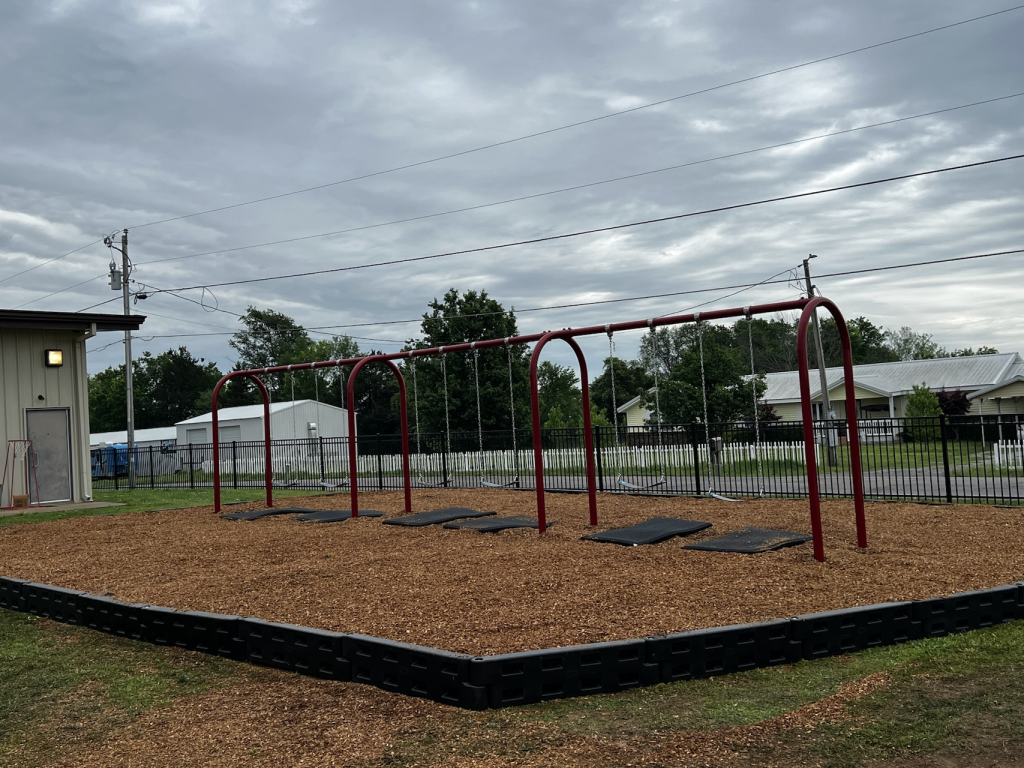
An inclusive playground is designed to accommodate children with different abilities and needs. Instead of creating separate spaces for children with disabilities, an inclusive playground allows students to participate in activities together.
Accessible ramps, wide pathways, transfer platforms, ground level activities, supportive swings, and sensory features can make playgrounds easier to use.
Schools should also provide different levels of activity. Some children may enjoy climbing and running, while others may prefer music panels, interactive games, or quieter spaces.
Choose Accessible School Playground Equipment
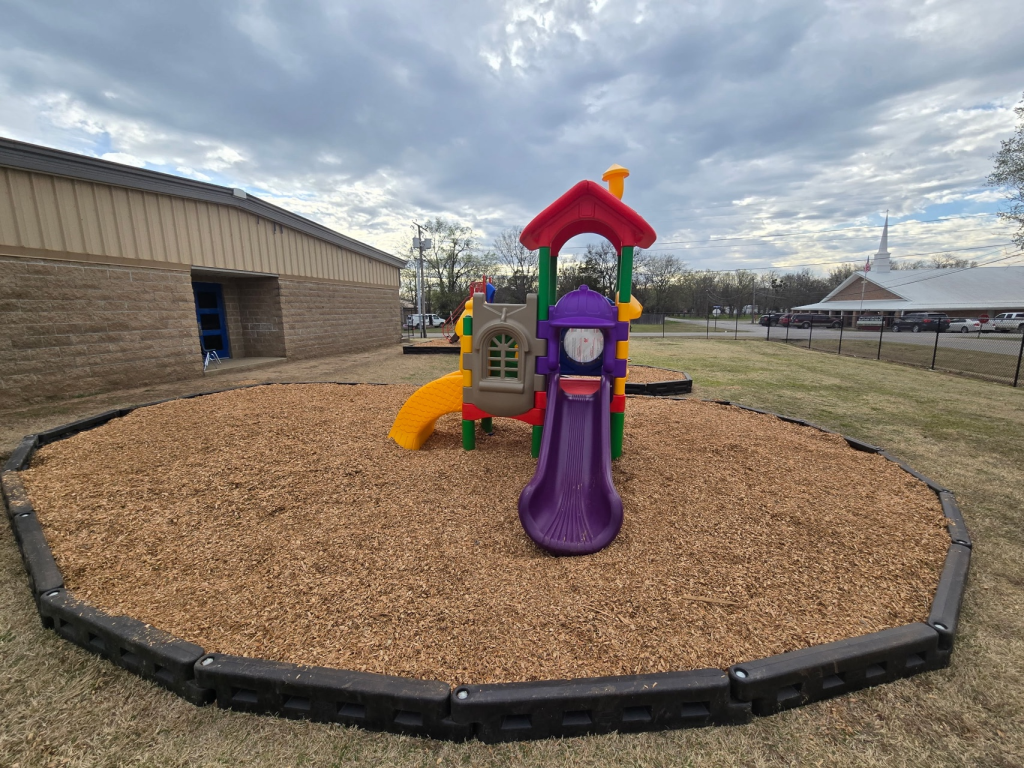
The right School Playground Equipment can make a major difference in how children use the playground. Schools should consider equipment that offers multiple ways to participate.
Ground level play features are useful because children can interact with them without climbing elevated structures. Ramps can connect different areas, while accessible swings and transfer platforms can help children reach more activities.
Some options include:
- Accessible swings
- Ramps and transfer platforms
- Ground level play panels
- Sensory play equipment
- Accessible slides
- Musical play features
- Climbing activities
- Balance equipment
- Interactive games
Offering different types of equipment gives children more choices during recess.
Add Commercial Playground Shade Structures
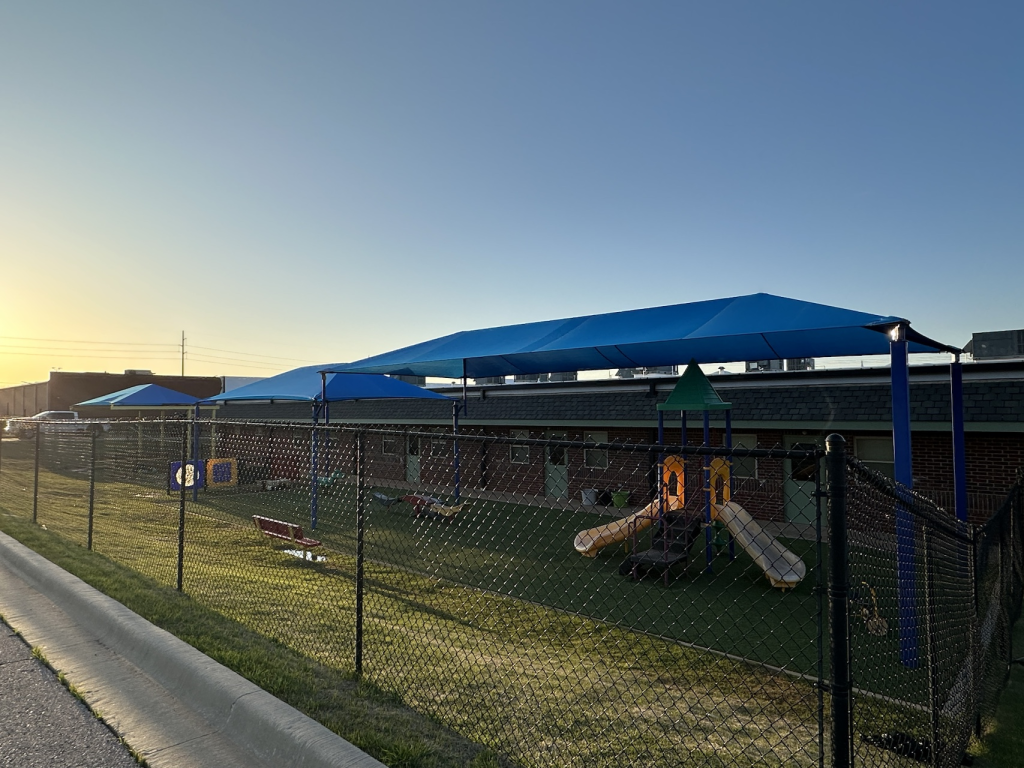
Sun exposure is another factor schools should consider when planning an outdoor recreation area. Commercial playground shade structures can provide covered areas over playground equipment, seating areas, and other sections of the property.
Shade structures can give students a comfortable place to rest between activities. They can also provide teachers with shaded areas for supervising children.
Schools can choose different designs based on playground size, equipment layout, available space, and the desired level of coverage. Shade should be planned alongside the playground rather than added after installation.
Create Accessible Playground Paths
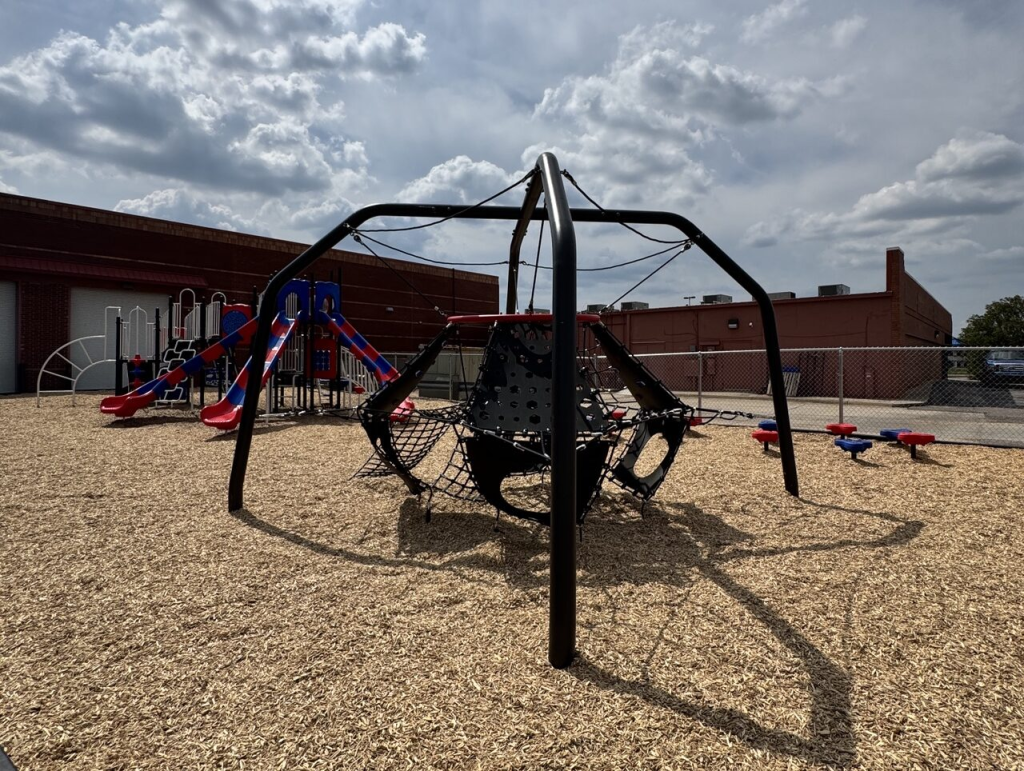
An inclusive playground should be easy to reach and navigate. Accessible pathways can connect entrances with playground equipment, seating areas, shade structures, and other amenities.
Paths should have stable surfaces and enough space for children using wheelchairs, walkers, or other mobility devices. Schools should also consider the complete route through the playground rather than focusing on accessibility at only one location.
A well planned path system can make the playground easier for students, teachers, and parents to navigate.
Install Appropriate Safety Surfaces
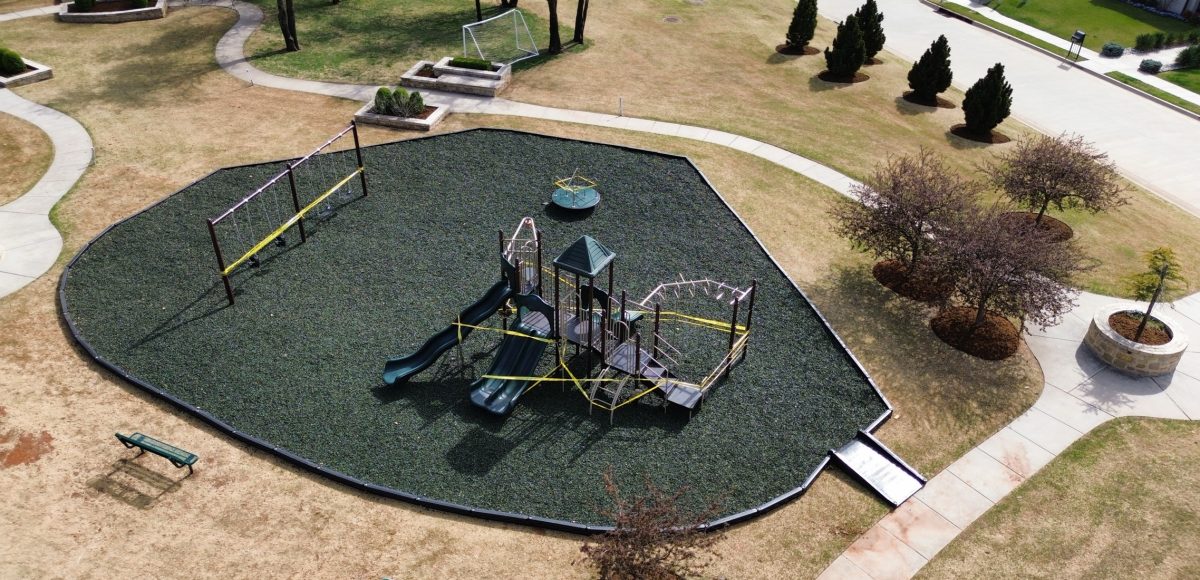
Playground surfacing is an important part of a safe and accessible outdoor area. Safety Surfaces can provide protection around playground equipment while also supporting easier movement.
Common options include poured in place rubber, rubber tiles, engineered wood fiber, and other playground surfacing systems.
Schools should consider equipment fall heights, drainage, maintenance requirements, accessibility, and expected playground use when choosing a surface.
A properly maintained surface can improve both safety and usability.
Include Sensory Play Features
Children have different ways of enjoying outdoor activities. Some students may prefer quieter activities that allow them to explore sounds, textures, movement, and visual features.
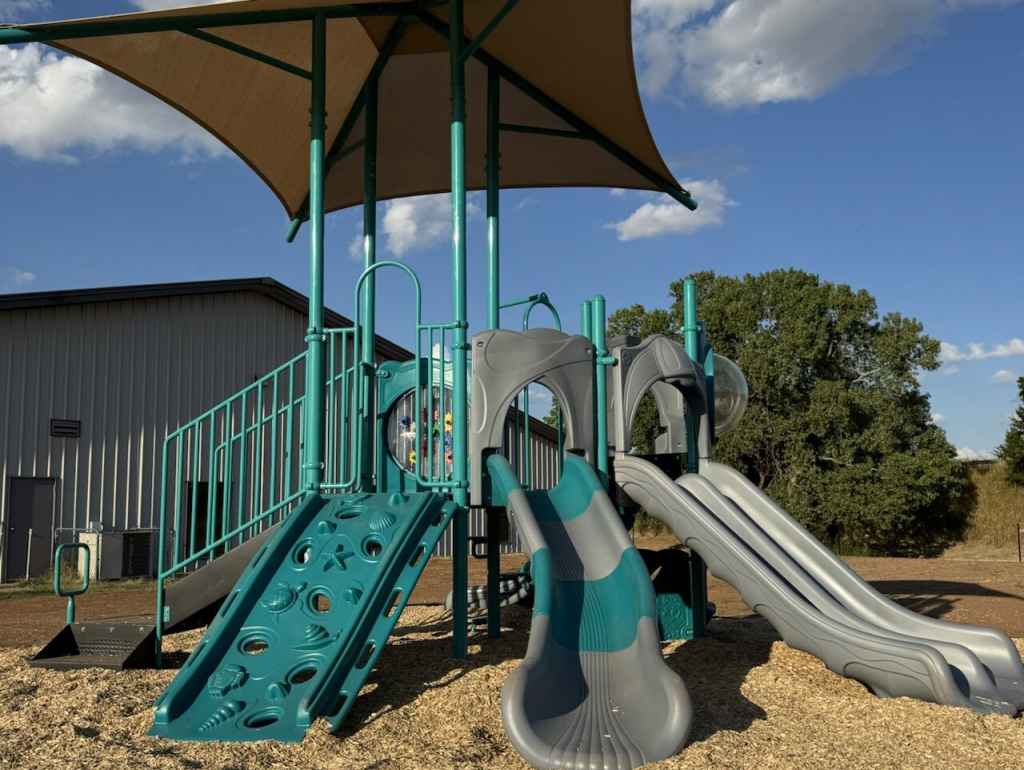
Sensory play equipment can include musical panels, textured surfaces, activity boards, interactive games, and other features.
Schools can also create quieter areas where children can step away from busy activities for a short period. A shaded seating area near the main playground can work well as a comfortable transition space.
Create Different Activity Zones
Dividing a playground into several activity areas can make the space easier to use.
An active play zone could include slides, swings, climbing equipment, and other high energy features. A sensory zone could include interactive and musical equipment. A fitness zone could provide age appropriate Fitness Equipment.
Schools can also create social areas with benches and tables and quieter areas where students can relax.
Different activity zones allow children to choose activities based on their interests and comfort levels.
Add Park Amenities
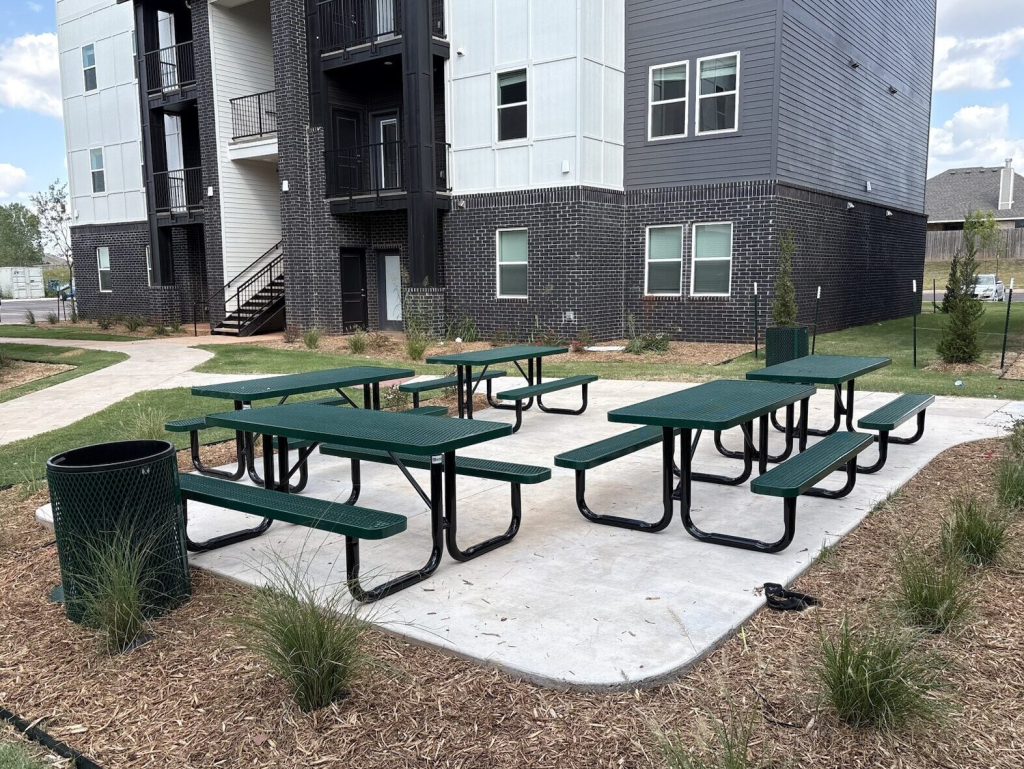
The playground itself is only one part of a complete outdoor recreation space. Park Amenities can make the surrounding area more useful for students, staff, and visitors.
Schools can consider adding:
- Benches
- Picnic tables
- Drinking fountains
- Bike racks
- Trash receptacles
- Shelters
- Outdoor seating
- Accessible pathways
These additions can also make school grounds more suitable for community events and after school programs.
Consider Sport Courts
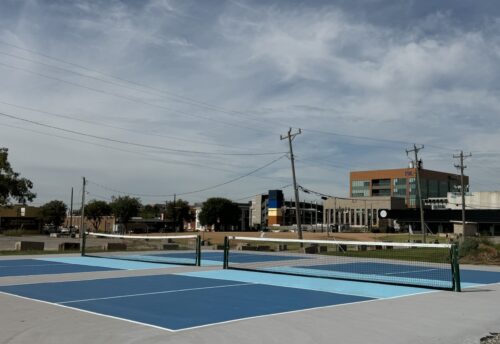
Not every student prefers traditional playground activities. Sport Courts can give older children and students interested in organized sports additional options for staying active.
Schools may consider basketball courts, volleyball courts, tennis areas, or multi purpose courts depending on available space.
Multi use courts can be particularly practical because one area can support several sports and activities. These courts can also be used for physical education classes, recess, after school activities, and community programs.
Use Sun Shades in Other Outdoor Areas
Sun Shades are not limited to playground equipment. Schools can also use them over benches, picnic areas, outdoor classrooms, waiting areas, and sports seating.
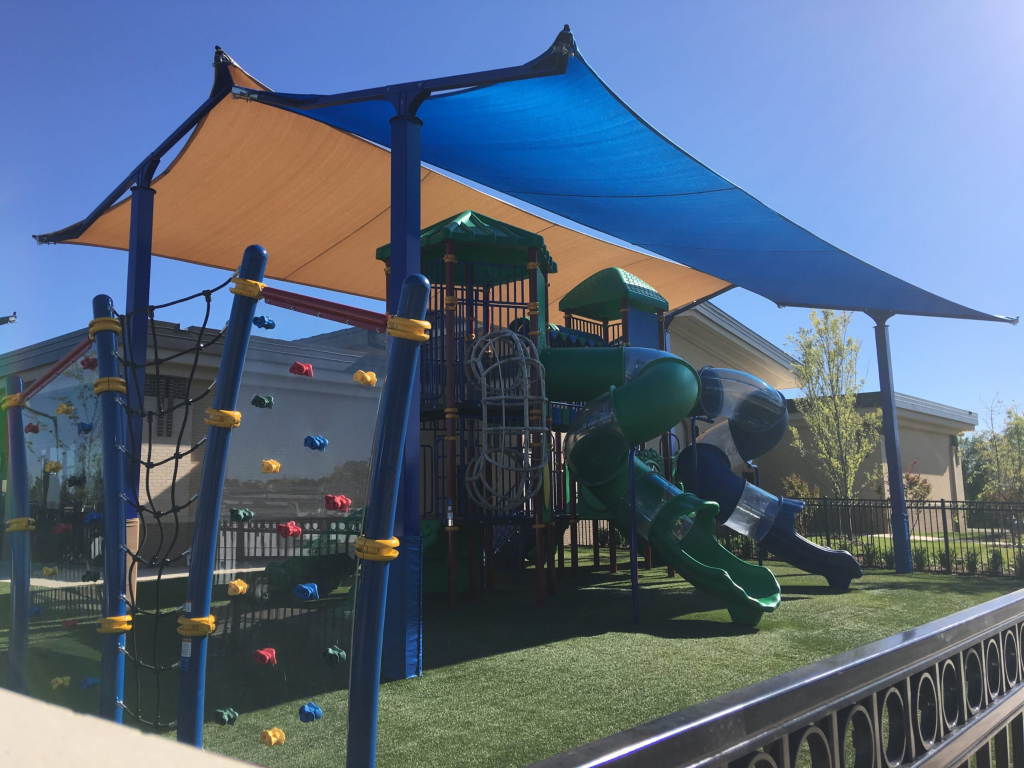
Providing shaded areas throughout the property can make outdoor spaces more comfortable for students and staff.
When planning shade, schools should consider the position of the sun, the direction of the playground, the location of seating, and how much coverage each area needs.
Add Fitness Equipment for Students
Outdoor Fitness Equipment can provide students with another way to develop strength, balance, coordination, and flexibility.
Fitness areas can be designed for different age groups and ability levels. Equipment should be selected based on the students who will use it and the amount of supervision available.
Combining fitness equipment with playground structures and sports areas can create a more complete outdoor recreation environment.
Think About the Entire Recreation Space
Schools with larger properties may have room for additional community features. In some community recreation settings, separate Dog Parks may be considered for residents and visitors.
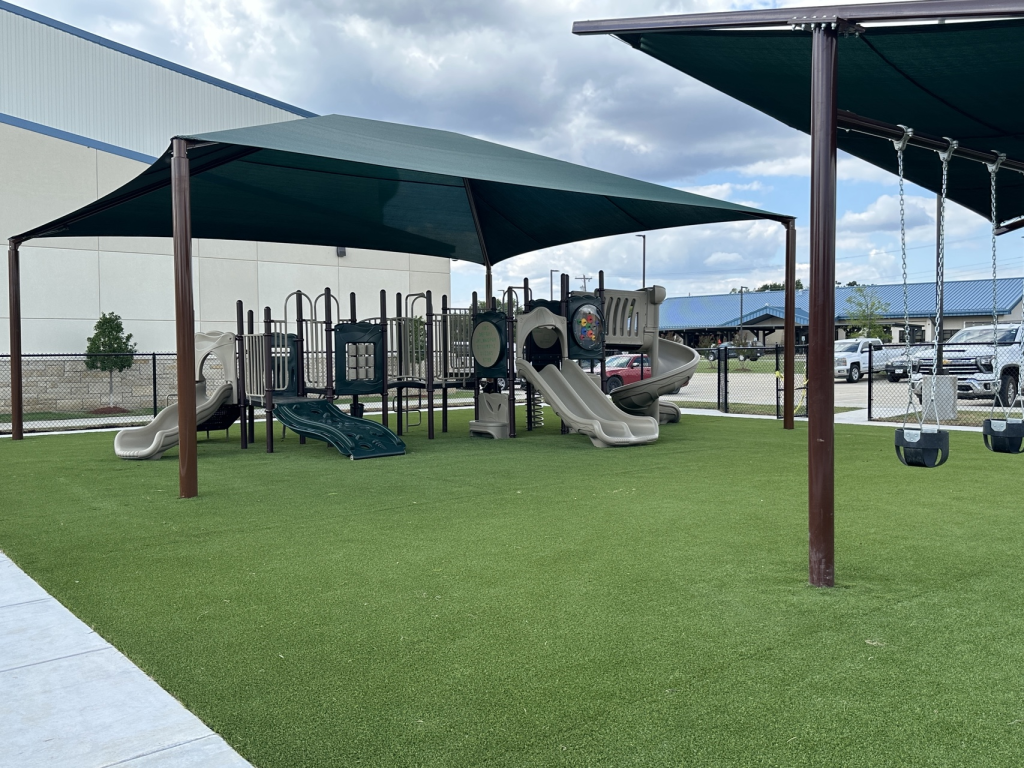
A dog park should never interfere with a children’s playground. It should be located separately with appropriate boundaries and access points.
The larger lesson is that schools and communities can think about outdoor spaces as connected recreation areas that support different users and activities.
Make Safety a Priority
Safety should be considered throughout the planning and installation process. Equipment should be age appropriate and installed according to manufacturer requirements.
Schools should regularly inspect playground structures and surfaces for loose hardware, damaged components, sharp edges, worn areas, and other potential hazards.
Proper drainage is also important. Standing water can damage surfaces and create slippery areas.
Regular maintenance helps keep the playground ready for daily student use.
Ask Students and Teachers for Feedback
Schools can collect feedback before designing a new playground. Teachers can explain which activities students enjoy, while parents may identify accessibility concerns.
Students can also share ideas about equipment and activities they would like to see.
Schools can ask questions such as:
- Which playground activities do students enjoy most?
- Are there enough shaded areas?
- Can students using mobility devices reach major play areas?
- Are quiet spaces needed?
- What sensory activities would students enjoy?
- Should the school add sports or fitness areas?
- Where should seating be placed?
This feedback can help create a playground that reflects the needs of the school community.
Plan for Long Term Use
A playground should be planned for many years of use. Schools should consider equipment durability, cleaning, inspections, repairs, and future improvements.
Shade structures, surfacing, seating, and playground equipment should all be included in the school’s maintenance planning.
Schools can also consider flexible playground layouts that allow additional equipment or amenities to be added later.
Conclusion
An inclusive playground can give children more opportunities to play, exercise, socialize, and explore. Schools should consider accessibility from the entrance through the playground, including pathways, equipment, seating, and activity areas.
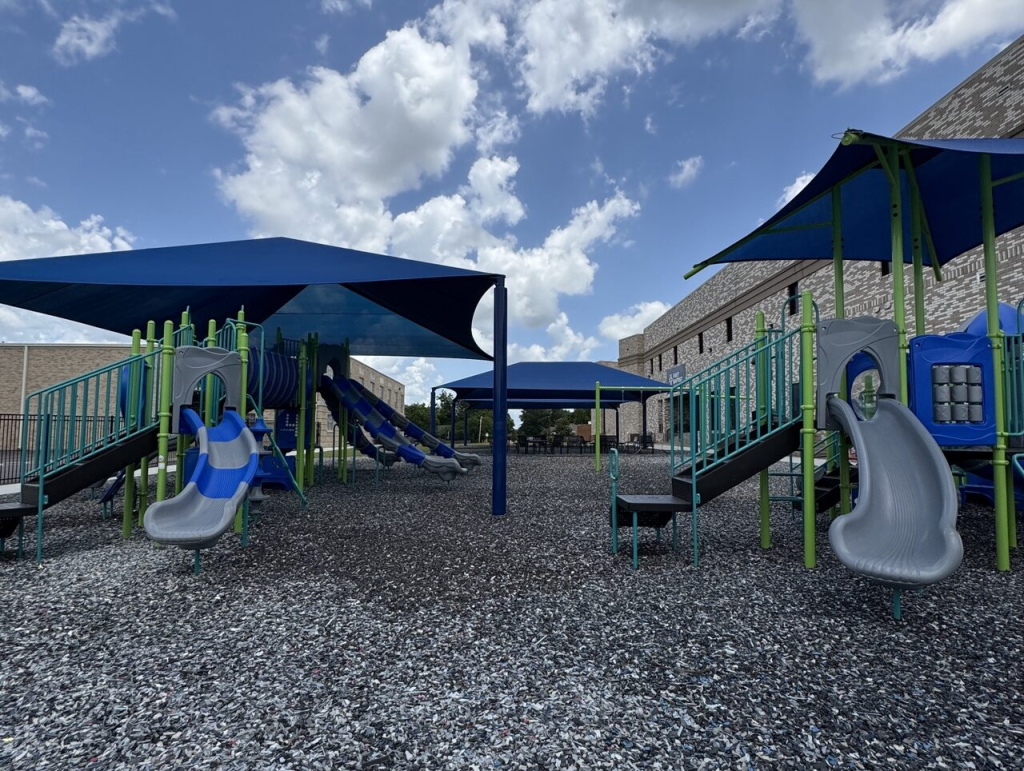
Features such as School Playground Equipment, Safety Surfaces, Fitness Equipment, Sport Courts, and commercial playground shade structures can help create a comfortable and accessible outdoor environment. Sun Shades and other Park Amenities can further improve the experience for students, teachers, and visitors.
With thoughtful planning, schools can create outdoor spaces where children with different abilities and interests can participate together. Platinum Playgrounds offers playground and recreation solutions that can help schools develop practical outdoor spaces focused on play, activity, comfort, and community use.
Frequently Asked Questions
What makes a playground inclusive?
An inclusive playground provides accessible equipment, pathways, surfaces, and activities that allow children with different abilities to participate. It can also include sensory features and quieter areas.
What School Playground Equipment is suitable for inclusive play?
Schools can consider accessible swings, ramps, transfer platforms, ground level play panels, sensory equipment, musical features, accessible slides, and balance activities.
Why should schools install commercial playground shade structures?
Commercial playground shade structures can provide shaded areas over playground equipment, seating, and gathering spaces. They can make outdoor areas more comfortable during sunny weather.
What are common playground safety surfaces?
Common Safety Surfaces include poured in place rubber, rubber tiles, engineered wood fiber, and other playground surfacing systems. The right choice depends on equipment, accessibility, maintenance, and site conditions.
Should schools include sensory playground equipment?
Yes. Sensory equipment can give children additional ways to interact with their surroundings. Musical panels, tactile activities, and interactive features can support different play preferences.
Can schools add Sport Courts?
Yes. Sport Courts can provide additional opportunities for basketball, volleyball, tennis, and other physical activities. Multi use courts can be useful when outdoor space is limited.
Where can schools use Sun Shades?
Sun Shades can be installed over playground areas, benches, picnic spaces, outdoor classrooms, waiting areas, and sports seating.
What Park Amenities can schools add?
Schools can add benches, picnic tables, drinking fountains, bike racks, shelters, trash receptacles, and accessible pathways as part of their Park Amenities.
Why should schools include Fitness Equipment?
Outdoor Fitness Equipment can encourage students to work on strength, balance, flexibility, and coordination while providing an alternative to traditional playground activities.
How can Platinum Playgrounds help schools?
Platinum Playgrounds can help schools plan outdoor recreation spaces with playground equipment, shade structures, safety surfacing, fitness equipment, sports areas, and other amenities suited to schools and communities.