

What Innovative Amenities are Shaping Modern Public Parks?
Public parks are no longer just open green spaces in neighborhoods. Today, they are thoughtfully designed areas that serve everyone, from children to older adults, with amenities that combine fun, comfort, and usefulness. If you are a local business owner, B2B professional, or marketing manager in the United States, understanding the newest public park amenities can help you plan projects, partnerships, and outreach in your community.
In this blog, we will explore the features modern parks are offering and why they are important. We will also show how smart design can support health, community engagement, and neighborhood pride.
What Makes a Modern Public Park
In the past, parks were simple areas with grass, a few benches, and maybe a playground. Today, parks are designed to support recreation, education, health, social connection, inclusion, and care for the environment. These benefits come from well-planned park amenities that appeal to all kinds of visitors.
Inclusive Play Areas
Why Inclusive Play Matters
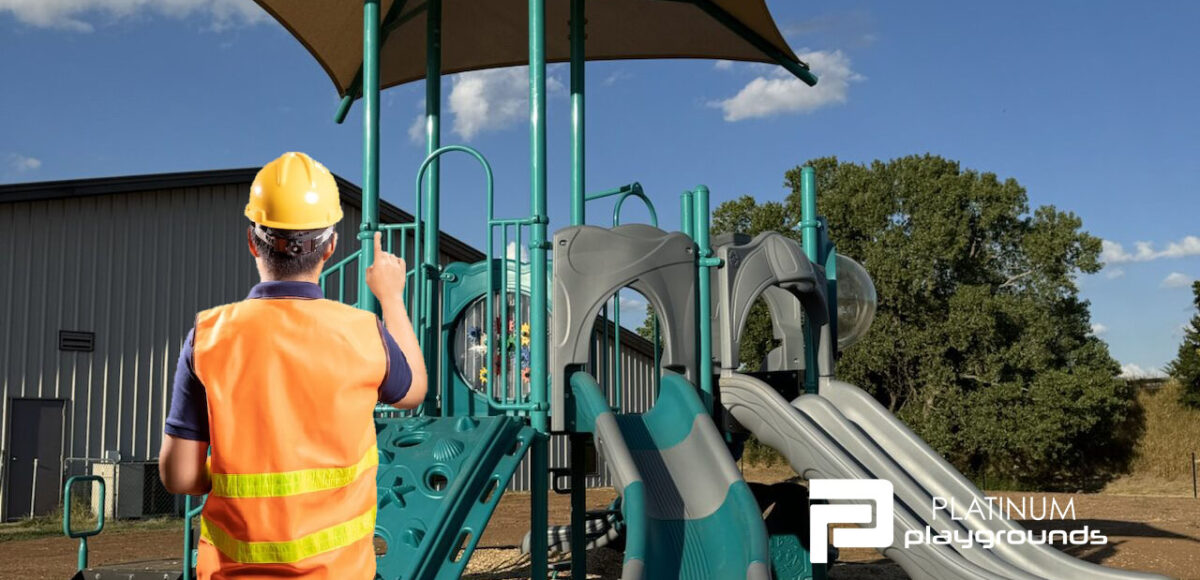
Playgrounds are still the most visited part of parks, especially for families. But now, they are much more than swings and slides. Modern parks focus on inclusive design so children of all abilities can enjoy play safely. This includes interactive panels, ramps, wide platforms, and surfaces that reduce injuries for safer landings and playground safety.
Features You Will Find
- Multi-level play structures with tunnels, bridges, and climbing nets
- Sensory elements like musical instruments or textured walls
- Accessible designs that allow children with mobility challenges to participate
Inclusive play areas make parks welcoming for every child and encourage social interaction and confidence.
Health and Fitness Areas
Parks are becoming places where people exercise, relax, and stay active. Fitness equipment for all ages is becoming common. Outdoor exercise areas can include cardio machines, strength equipment, running tracks, and courts for basketball or tennis. These areas help people maintain fitness without needing a gym membership and make the park more lively.
Smart Technology in Parks
Technology is now part of the outdoor experience. Smart features can improve safety, convenience, and engagement for visitors. Parks may offer free Wi-Fi, digital maps to help visitors navigate, air quality monitoring, and smart lighting that keeps spaces safe while saving energy. Mobile apps can guide families to playgrounds, fitness areas, and events, making visits easier and more enjoyable.
Spaces for Families and Communities

Modern parks are designed to host social gatherings and community events. They may include amphitheaters for performances, open lawns for picnics or festivals, shelters with tables, and even community gardens. These spaces bring people together, provide educational opportunities about nature, and create a sense of shared ownership among residents.
Comfort, Safety, and Convenience
Simple amenities can make a big difference in how people enjoy parks. Comfortable seating, shaded areas, clean restrooms, and water refill stations encourage longer visits. Paths for bikes and walking, clear signs, and good lighting also improve safety. When parks meet these basic needs, visitors feel secure and welcome.
Public Art and Cultural Features
Parks are often used to showcase art and local culture. Sculptures, murals, performance spaces, storytelling areas, and rotating art exhibits make parks memorable. They give communities a way to celebrate culture and history while making public spaces more attractive and enjoyable.
Nature and Green Spaces
Green areas remain central to park design. Parks now include native plants, pollinator gardens, wildlife observation zones, educational nature trails, and water features like ponds or small streams. These natural elements create peaceful spaces and offer educational experiences while supporting the environment.
How to Choose Park Amenities
When planning or improving a park, it is important to consider what the community needs. Some features to prioritize include:
- Inclusive playground areas
- Fitness and wellness equipment
- Safety features and clear signage
- Comfortable seating and shaded areas
- Smart technology like Wi-Fi and apps
- Community spaces like gardens and event areas
- Public art and cultural displays
- Clean restrooms and drinking water stations
Focusing on these elements ensures parks are useful, beautiful, and well-loved.
Conclusion
Are you looking for ways to make your park project more welcoming, engaging, and modern?
The most successful parks balance recreation, wellness, comfort, and community connection. Adding inclusive playground zones, fitness equipment, technology, cultural spaces, and nature areas helps create a park that everyone can enjoy.
If you are planning to add playground equipment or design community-focused recreational spaces, companies like Platinum Playgrounds can help. They specialize in commercial playground equipment that is safe, durable, and perfect for public spaces.
Contact US to get expert support for your park or playground project today.
Frequently Asked Questions
What are public park amenities?
They are features that make parks more useful and enjoyable, such as playground equipment, seating, fitness areas, art displays, and smart technology.
How do parks stay safe for visitors?
Safety is ensured through proper design, soft playground surfaces, lighting, clear signage, and regular maintenance.
What makes a park inclusive?
A park is inclusive when it is accessible to everyone, including children and adults with disabilities. This can include ramps, wide paths, and play areas designed for different abilities.
How does technology improve park visits?
Smart features like Wi-Fi, digital maps, and air quality sensors make parks easier to navigate, safer, and more engaging for all visitors.
Why are community gardens important in parks?
They encourage social interaction, teach about sustainability, and create a sense of ownership for residents.


