

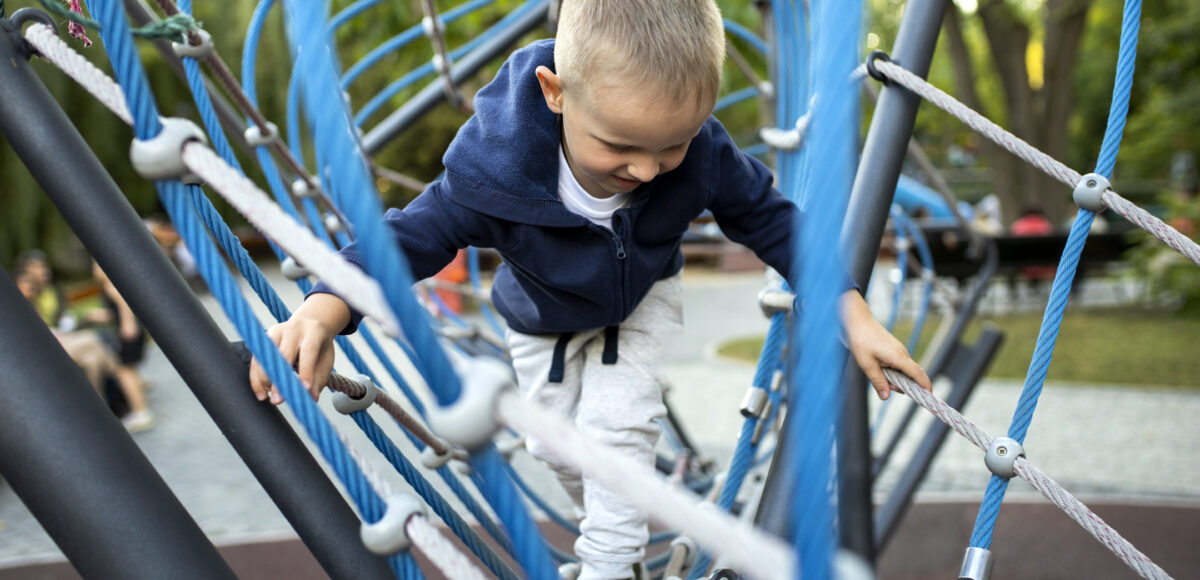
What are the Safety Standards for Commercial Playgrounds in Oklahoma City?
Creating a fun and secure place for children to play is a big responsibility. For anyone planning commercial playground installation in Oklahoma City, understanding safety rules and proper installation practices is very important. When playgrounds meet the right standards, children stay safe, and businesses build community trust.
This guide explains the safety requirements every commercial playground must follow, the materials that help prevent injuries, and how business owners can keep their playgrounds in great shape for years.
Why Safety Standards Are So Important
Children love to explore and try new things. They climb, jump, swing, and move in ways that can be unpredictable. While adults can supervise them, the actual design and materials of the playground make the biggest difference in keeping everyone safe.
Most playground injuries happen when a child falls from play equipment onto a hard surface. To prevent that, there are national safety rules that guide how playgrounds should be designed and built. In Oklahoma City, most commercial play areas follow these national standards, even though they are not always required by law.
Who Creates These Playground Safety Standards
There are several organizations that set and manage playground safety rules across the United States. Together, they make sure play areas are designed to reduce injuries and meet public expectations for safety.
ASTM International is one of the most important groups. It develops technical safety standards for playground equipment and surfacing materials.
The U.S. Consumer Product Safety Commission (CPSC) publishes a guide called the Public Playground Safety Handbook. It includes advice on layout, spacing, surfacing, and maintenance.
The International Play Equipment Manufacturers Association (IPEMA) certifies that playground products meet safety standards. When equipment is IPEMA certified, you can trust it meets all the main safety rules.
The Americans with Disabilities Act (ADA) ensures that playgrounds are accessible to children with physical challenges so everyone can play together comfortably.
Even though these rules are considered voluntary, most city projects, schools, and private playgrounds follow them closely. Insurance companies and local authorities often require them during the approval process.
Main Safety Standards for Commercial Playground Installation
Structural and Design Safety
The most recognized standard for playground equipment is ASTM F1487, which is a safety guide for public playground structures. It focuses on how play areas should be designed to reduce accidents.
This standard covers spacing between different play items so children do not run into each other. It also includes requirements for barriers and guardrails on higher areas to stop falls. Materials should not have sharp edges, rough surfaces, or points where a child’s hands or head could get stuck.
Each piece of equipment must also be suitable for the age group it is meant for. A play zone designed for preschoolers should be smaller and lower than one for older children. Following these guidelines helps prevent avoidable injuries and supports safe exploration.
Safety Surfacing and Ground Material
The type of surface under a playground matters just as much as the equipment itself. Hard materials such as grass, concrete, or asphalt are unsafe for playgrounds because they do not absorb impact when a child falls.
The right playground safety surfacing can reduce the risk of serious injuries. Common safe surfacing options include:
- Engineered wood fiber
- Poured rubber flooring
- Rubber tiles
- Synthetic turf with soft padding underneath
- Sand or mulch at the proper depth
The thickness of the surface depends on how tall the play equipment is. For example, loose materials like mulch or sand usually need to be at least nine to twelve inches deep to protect children from falls. A surface that absorbs shock well is one of the best ways to ensure playground safety.
Accessibility and Inclusive Design
Every playground should welcome children of all abilities. The ADA requires accessible routes, ramps, and entrances so that children using wheelchairs or other mobility devices can reach and enjoy the play area. Surfacing materials must also allow smooth movement without getting stuck or uneven.
This approach helps every child experience the joy of play without feeling excluded.
Clear Signage and Age-Specific Zones
Each area of a playground should be clearly marked for a certain age group. Equipment meant for toddlers should not be used by older children, and vice versa. Simple signs or boards showing the recommended age range help caregivers guide children safely.
This small step goes a long way in preventing accidents that happen when kids use equipment not built for their size or skill level.
Regular Inspections and Maintenance
Safety does not end once the playground is built. Routine maintenance ensures that equipment remains sturdy and surfaces stay safe.
Playgrounds should be inspected at least every few months. Check that bolts and nuts are tight, moving parts work smoothly, and there are no broken edges or rust. The surfacing should always stay at the right depth, and loose materials should be raked back into place.
After severe weather, like heavy rain or storms, it is a good idea to inspect the area immediately. Keeping a written record of inspections shows commitment to safety and can also help with insurance coverage or legal protection.
Choosing the Right Playground Equipment
When planning Commercial Playground Installation in Oklahoma City, it is important to pick equipment that matches the needs of your community or business.
Play structures like slides, swings, and climbing areas should be chosen based on the age range of users. If you are adding features such as rock climbing play equipment, make sure there is enough open space around it and a safe impact zone underneath.
Always buy certified products from trusted manufacturers. Certified equipment has already been tested to meet national safety standards, which gives you peace of mind about its quality.
Simple Safety Checklist for Playground Owners
Before opening your playground to the public, review this checklist:
- Surfacing has enough depth and proper shock absorption
- Equipment is correctly spaced for the age group
- No sharp points or places where clothing could get caught
- Pathways and ramps meet ADA accessibility guidelines
- Regular maintenance and inspection records are kept
- Equipment is certified by recognized safety organizations
Checking these items regularly helps you keep the playground in safe working condition throughout the year.
What Safety Standards Mean for Businesses in Oklahoma City
Whether your playground is at a school, daycare, hotel, or residential property, following safety standards protects both children and your business. It shows that you care about the community and value responsibility.
A well-built, safe playground not only attracts families but also builds trust in your brand. In competitive markets, showing your commitment to safety can make your company stand out from others.
If your business offers family-friendly services or you manage public spaces, investing in a safe and certified playground adds value to your property and community.
Conclusion
Are you planning Commercial Playground Installation in Oklahoma City and want to make sure your project is safe, inclusive, and built to last? The best way to start is by partnering with professionals who understand design, installation, and long-term safety practices.
Platinum Playgrounds has built a strong reputation for creating durable, attractive, and safe playgrounds. The company also offers playground equipment installation services that add beauty and value to any park. From layout design to playground safety surfacing, they take care of every detail so your playground is enjoyable and secure for everyone.
Contact US today to discuss your project and create a playground space that meets all safety standards while keeping fun at the heart of it.
Frequently Asked Questions
What safety laws apply in Oklahoma City?
Most playground safety rules come from national organizations like ASTM and CPSC. Local authorities often follow these guidelines rather than creating their own laws.
What is the right depth for playground surfacing?
Loose materials such as mulch or sand should usually be between nine and twelve inches deep, depending on the height of the tallest equipment.
Is safety certification required for equipment?
While not legally required, using certified products is highly recommended. It proves that your playground meets national safety standards.
How often should maintenance be done?
A full inspection should be completed at least every three months. Quick checks can be done weekly, especially after busy weekends or storms.
Can concrete be used under playground equipment?
No, hard surfaces like concrete, asphalt, or grass cannot absorb impact and greatly increase the chance of injury. Soft and flexible surfaces are required.


