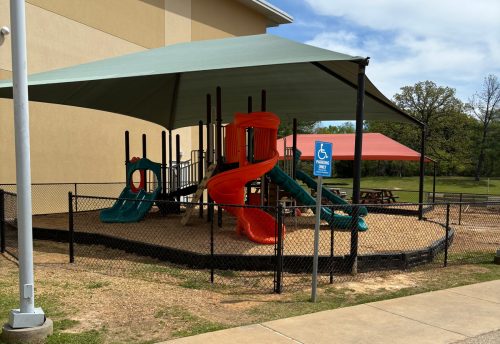
What Is the Best Material for Playground Equipment?
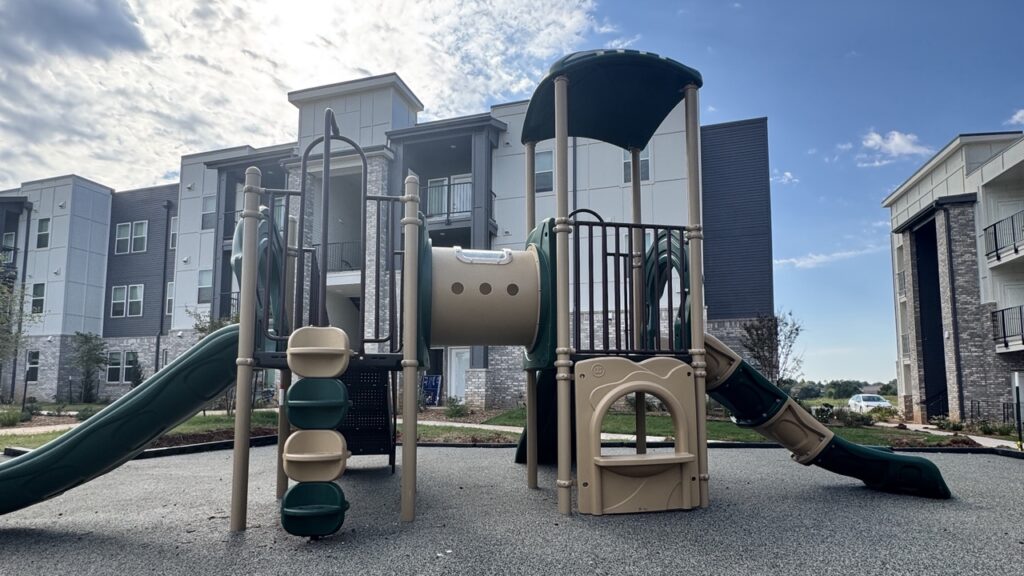
Playgrounds are an important part of parks, schools, and daycare centers. They give children a place to play, learn new skills, and spend time with friends. For cities and communities, playgrounds also play a big role in improving public park amenities.
When a new playground is planned, people often focus on the design, colors, and types of play structures. However, one of the most important decisions is the material used to build the equipment. The material affects safety, durability, maintenance, and how long the playground will last.
Choosing the right material is an important step in commercial playground installation. The correct choice can help communities build strong and safe playgrounds that serve children for many years.
This guide explains the most common playground materials and how they help create reliable public park amenities.
Why Playground Materials Matter for Public Parks
A playground should be safe, strong, and able to handle daily use. Parks are visited by many families, which means the equipment must stay in good condition even after years of activity.
The materials used in playground structures affect many things that matter for public park amenities.
These include durability, safety for children, maintenance needs, resistance to weather, and the overall appearance of the playground.
A playground might look attractive when it is first installed, but if the material breaks down quickly, the community will face repair costs and safety concerns.
Because of this, park planners carefully study materials before starting a commercial playground installation project.
Common Materials Used in Playground Equipment
Modern playground equipment is usually built using a few main materials. Each one offers different benefits and challenges.
The most common materials used in playground structures include steel, recycled plastic, wood, aluminum, and composite materials.
Each of these materials plays an important role in building strong public park amenities that can serve communities for many years.
Steel Playground Equipment
Steel is one of the most popular materials used in playground construction. Many parks in the United States rely on steel because it is strong and can support large structures.
Steel frames are often used for climbing equipment, slides, and monkey bars. This material is well known for its strength and durability.
One of the biggest advantages of steel is that it can handle heavy use. Playgrounds in busy parks often receive hundreds of visitors every week. Steel structures can support this level of activity without losing their shape or stability.
Steel also has a long lifespan, which makes it a trusted option for building reliable public park amenities.
At the same time, steel equipment must be coated with protective finishes to prevent rust. Metal surfaces can also become warm under strong sunlight. Many modern playground designs include shade structures to help reduce heat.
Even with these small challenges, steel remains one of the most dependable materials used in commercial playground installation.
Recycled Plastic Playground Equipment
Recycled plastic has become a popular option in modern playground construction. Many communities now choose this material because it is durable and environmentally friendly.
This material is created using recycled plastic products, which helps reduce waste and supports sustainable construction.
Recycled plastic equipment has several benefits that make it a strong choice for public park amenities.
One major advantage is that it does not rot, crack, or attract insects. It is also resistant to moisture, which makes it useful in parks located near lakes, rivers, or humid climates.
Another benefit is that recycled plastic requires very little maintenance. Communities do not need to seal or paint the equipment regularly.
Children also benefit from smooth surfaces that reduce the risk of splinters or rough edges.
However, recycled plastic is not as rigid as steel, which means it is often combined with metal frames in larger playground systems.
Despite this, recycled plastic remains one of the most widely used materials in modern public park amenities.
Wooden Playground Equipment
Wood playgrounds offer a classic and natural appearance. Many parks located near forests or nature trails prefer wooden playground structures because they blend well with the surrounding environment.
Wood has been used in playground construction for many years. It provides a natural look that many communities appreciate.
Another benefit of wood is that it usually stays cooler than metal when exposed to sunlight. This can make playground surfaces more comfortable during warm days.
Wood is also strong enough to support many types of playground structures.
However, wood playground equipment requires regular maintenance. The material must be sealed or treated to protect it from moisture and insects.
If wood is not maintained properly, it can develop splinters or signs of damage over time.
Because of these maintenance needs, some communities now combine wood with other materials during commercial playground installation projects.
Aluminum Playground Equipment
Aluminum is another metal used in playground construction. It is lighter than steel but still offers solid strength.
One of the biggest benefits of aluminum is its rust resistance. This makes it a good choice for parks located in areas with heavy rain or humidity.
Aluminum equipment is easier to transport and install because it weighs less than steel. For this reason, it is sometimes used in certain playground structures.
Although aluminum is strong, it is not always used for very large playground frames because steel can provide greater structural strength.
Even so, aluminum continues to play an important role in modern public park amenities, especially for railings, platforms, and smaller structural components.
Composite Playground Materials
Composite materials combine plastic fibers with other materials such as wood or synthetic resins. These materials are designed to provide strength while also reducing maintenance.
Many newer playground systems include composite components because they offer a balance between durability and convenience.
Composite materials are resistant to weather conditions, which helps playground equipment last longer. They also have smooth surfaces that reduce the chance of splinters.
Another benefit is that composite materials require very little maintenance compared to traditional wood.
Because of these advantages, composite materials are becoming more common in modern public park amenities.
The only challenge is that these materials can cost more at the beginning. However, the long lifespan and reduced maintenance often make them a smart investment for communities planning commercial playground installation projects.
Factors to Consider When Choosing Playground Materials
Choosing the best material for playground equipment requires careful planning. Communities must think about several factors before starting construction.
One important factor is the local climate. Weather conditions can affect how long playground equipment lasts. Areas with heavy rain may benefit from materials that resist moisture.
Safety is another key consideration. Playground equipment must follow safety guidelines to protect children. The Consumer Product Safety Commission provides safety recommendations for communities building public park amenities.
Maintenance budgets also influence material choices. Some materials require regular treatment or repairs, while others need very little care.
Communities that want low maintenance public park amenities often choose steel or recycled plastic.
Design flexibility is another important factor. Modern playgrounds include climbing walls, slides, bridges, and interactive play areas. Materials like steel and composite components allow designers to create complex and engaging playground structures.
The Growing Importance of Public Park Amenities
Across the United States, communities are placing greater importance on parks and recreation spaces.
High quality public park amenities encourage children to spend more time outdoors. They also help families stay active and support social interaction in neighborhoods.
Playgrounds can also increase the appeal of parks and community spaces. Families often choose to visit parks that offer safe and attractive play equipment.
Because of these benefits, many cities now focus on installing strong and durable playground systems that can support growing communities.
This focus has increased the demand for professional commercial playground installation services.
Playground Equipment Oklahoma City and Regional Demand
Cities in Oklahoma and nearby areas are seeing increased interest in modern playground systems.
Communities are investing in better park spaces to improve local quality of life.
When planning Playground Equipment Oklahoma City, many developers and park planners prefer materials that combine durability with low maintenance.
Steel frames combined with recycled plastic panels are a common solution. This combination offers strength while also resisting weather damage.
These designs help communities build dependable public park amenities that remain safe and attractive for many years.
Best Material Combination for Long Lasting Playgrounds
In many situations, the most effective playground designs use several materials instead of relying on only one.
A common approach in commercial playground installation includes steel frames for structural support, recycled plastic components for slides and panels, composite platforms for durability, and aluminum railings for corrosion resistance.
This combination allows playground equipment to stay strong while also reducing maintenance needs.
As a result, communities can create reliable public park amenities that provide long term value for parks and recreational areas.
Conclusion
Are you thinking about building a new playground or improving existing public park amenities in your community? Choosing the right material for playground equipment can greatly affect safety, durability, and maintenance costs.
Steel, recycled plastic, wood, aluminum, and composite materials each offer unique benefits. In many cases, the best playground designs combine several materials to create strong and reliable public park amenities.
Working with experienced professionals can help ensure that playground equipment is installed correctly and built to last.
Platinum Playgrounds is known for providing dependable commercial playground installation and high-quality park equipment installation services for parks, schools, and community spaces.
Our team focuses on building playground systems that support safe and long-lasting public park amenities while meeting the needs of modern communities.
If your city, school, or organization is planning a playground project, the right support can make the process easier.

Contact US today to begin planning a playground that will bring fun, activity, and connection to your community.
Frequently Asked Questions
What material lasts the longest in playground equipment?
Steel is often considered the longest-lasting material used in playground construction. When properly coated and maintained, steel structures can support public park amenities for many years.
Is recycled plastic safe for playgrounds?
Yes, recycled plastic is widely used in playground equipment. It does not splinter and resists moisture, making it a safe option for modern public park amenities.
Are wooden playgrounds still used today?
Yes, some parks still install wooden playground structures because they offer a natural appearance. However, wood usually requires more maintenance compared to steel or plastic materials.
Which playground material requires the least maintenance?
Recycled plastic and composite materials generally require the least maintenance. These materials resist weather damage and do not require regular sealing.
How do cities choose playground materials?
Cities usually consider safety standards, climate conditions, maintenance costs, and expected usage when selecting materials for commercial playground installation projects.